Psychotherapy in English
A safe space to start talking
If you’ve been feeling unwell, overwhelmed, or simply “not yourself,” it’s worth reaching out for support. You don’t have to go through it alone.
A psychotherapy consultation is the first step. It’s an initial meeting where you can calmly explore what you’re experiencing, without pressure or commitment to start therapy right away. It gives you a chance to meet the therapist, see how the conversation feels, and decide whether you’d like to continue. Sometimes one consultation is enough; other times, a few meetings or ongoing therapy may be recommended.

Psychotherapy itself is a regular process of meetings with a therapist in a safe, confidential space. It is based on conversation, relationship, and evidence-based methods. Therapy is not about giving advice, but about helping you better understand yourself, recognize patterns, and find your own ways of coping. It supports lasting change, emotional balance, and a greater sense of agency in your life.
People seek therapy for many reasons. It can help with low mood, anxiety, stress, irritability, sleep problems, or emotional overwhelm. It is also valuable during crises such as loss, breakup, illness, burnout, or major life changes. Even when “everything seems fine,” therapy can support you if you feel empty, stuck, lonely, or dissatisfied, or if you notice recurring difficulties in relationships or decision-making.
In therapy, you can work on emotional difficulties, self-esteem, inner criticism and perfectionism. You can explore relationship patterns, boundaries and communication. It also helps process past experiences, including trauma or difficult childhood events, and develop healthier coping strategies instead of avoidance or impulsive reactions. Therapy supports understanding your needs, values, and direction in life, helping you live more consciously and in alignment with yourself.
Sessions typically last 50 minutes and take place once a week. At the beginning, you and your therapist clarify your goals and expectations. Over time, you explore your thoughts, emotions, and experiences, gradually developing new perspectives and ways of coping—at a pace adjusted to you.
If you feel the need to talk or gain relief, that alone is a good reason to take the first step. We encourage you to get in touch—we will help you choose the right form of support and arrange a convenient consultation.
Below, we present short bios of therapists who work in English.
Katarzyna Bojarun
I am a certified Gestalt psychotherapist. I graduated from the four-year Gestalt Psychotherapy School in Warsaw. I have the European Association for Gestalt Psychotherapy (EAGT) Certificate in Psychotherapy.
Gestalt psychotherapy is one of the leading approaches in humanistic psychology and is based on the belief that each of us has the natural potential for development and the ability to function satisfactorily, as long as we remain connected to ourselves and are aware of our emotions, needs, and boundaries. Suffering often occurs when we lose this connection—when something within us remains unnoticed, unacknowledged, or impossible to express.
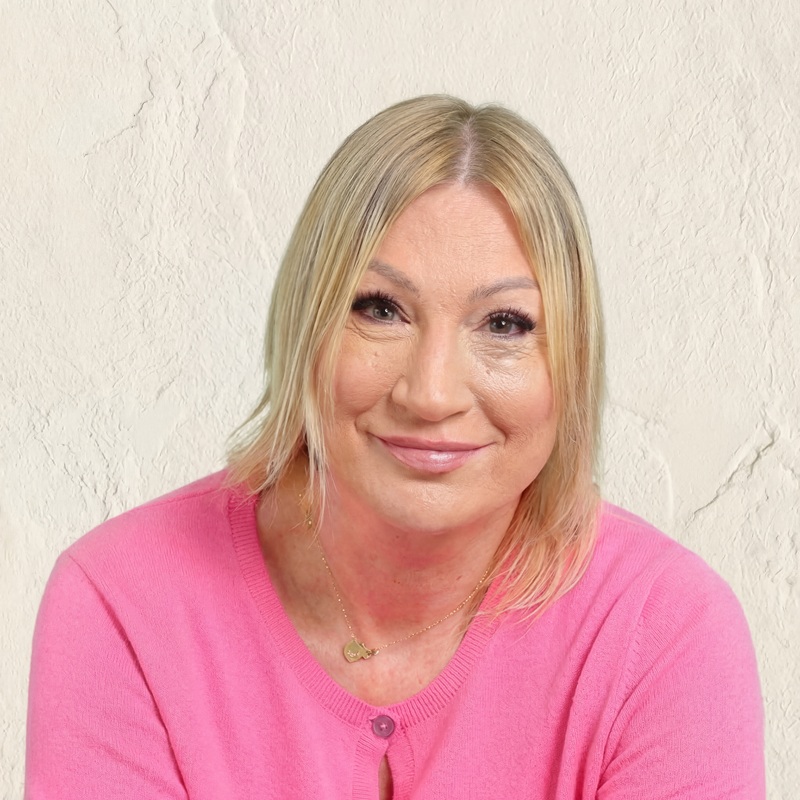
In my work, I accompany others with commitment, attention, and curiosity. I create a safe space for listening, experiencing, and self-discovery—one in which it becomes possible to express emotions, accept what is, and gradually change, always in harmony with ourselves.
I work with people experiencing difficulties – both in managing their own emotions and in experiencing difficulties in relationships. I support them in understanding their emotions and moments of feeling stuck. I help them cope with depression, anxiety/anxiety disorders/neuroses/generalized anxiety disorder, and psychosomatic illnesses. I support people with mood disorders, difficulty controlling emotions, as well as low self-esteem and low self-worth. I accompany people experiencing life crises (in relationships, at work, and elsewhere), struggling with social functioning and relationships. I support adults experiencing feelings of emptiness, meaninglessness, loneliness, and those experiencing grief.
I have experience working with individuals with „DDA” ( Polish abbreviation that means adult child of a dysfunctional family), as well as with individuals who have experienced trauma, stress, post-traumatic stress disorder, and suicidal thoughts. In my work, I support individuals experiencing emotional and sexual abuse. I also invite individuals who would like to better understand themselves and make more aware and satisfying choices in their lives to join me. During psychotherapy, I help them name their emotions and communicate them outside.
I also conduct couples psychotherapy. I believe that the therapeutic relationship is crucial, which is why I do my best to create a relationship characterized by empathy, openness, trust, a sense of security, and full acceptance.
Agnieszka Znosko
I am a psychotherapist. I completed a comprehensive four-year training program at the Psychotherapy Study “Laboratory of Psychoeducation” in Warsaw (a training center recommended by the Psychotherapy Section of the Polish Psychological Association and accredited by the Scientific Section of Psychotherapy of the Polish Psychiatric Association).

I can help people experiencing: emotional pain; fears, anxiety, depression; low self-esteem; mood disorders; panic attacks; loss, mourning; trauma; difficulties adapting to changes; feeling of emptiness, violence; addictions; thoughts of resignation or suicide; difficulties in family, romantic and friendship relationships; feeling lonely; difficulty making decisions; perfectionism, shame, irritability; difficulties in understanding yourself, your emotions and needs; self-destructive behaviors; difficulty controlling emotions or actions; people identifying as Adult Child of Alcoholic or Adult Child of Disfunctional Family; people with ADHD; pregnant women; parents who feel lost or burned out;
At work, the most important thing for me is to create relationships based on trust, respect and acceptance. I believe that it is the basis for achieving the desired therapeutic goals and improving the client’s well-being.
Michał Kopeć
I hold a degree in Psychology as well as postgraduate training in Clinical Sexology from SWPS University. I completed a four-year Psychotherapy Training Programme at the Laboratory of Psychoeducation, accredited by the Polish Psychological Association and the Polish Psychiatric Association, as well as the Psychotherapy Training Programme for Professionals Working with Addiction, at the same institution.
I work with adults experiencing difficulties in forming and maintaining relationships, depression, anxiety, feelings of emptiness and hopelessness, grief, as well as challenges related to their professional lives.
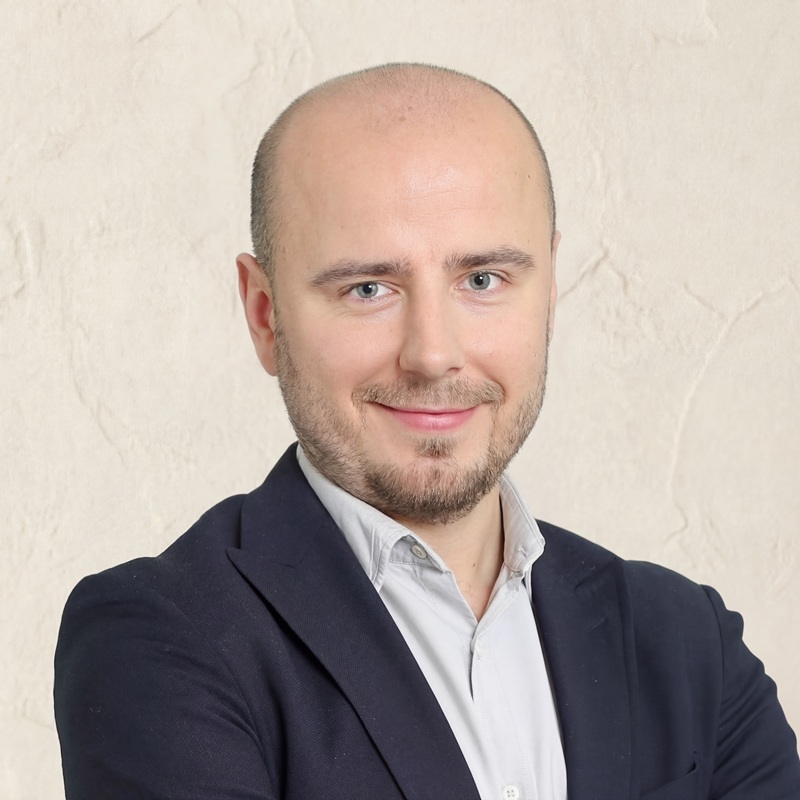
As a clinical sexologist, I support individuals with sexual dysfunctions, difficulties related to intimacy, desire and sexual satisfaction, challenges within intimate and partner relationships, as well as issues related to addiction, including addictions connected to sexuality. I also work with LGBT+ individuals, supporting them in the process of exploring or accepting their sexual identity.
I provide individual therapy and couples therapy. In my work with couples, I use the Emotionally Focused Therapy (EFT) approach and have completed a full EFT training programme accredited by ICEEFT. I support couples in understanding the relational processes that have led to a weakening of their bond and in rebuilding emotional connection.
I have completed both basic and advanced training in Mentalization-Based Psychotherapy. I apply mentalization theory in my everyday clinical practice.
For over a decade, I have also been involved in business and career counselling. I facilitate developmental and advisory workshops for managers, non-governmental organisations and companies.
Anna Bryja
I am a psychologist and certified psychotherapist of the Polish Psychological Association (PTP, certificate no. 399) and the European Association for Psychotherapy (EAP). I completed the Psychotherapy Training Program and the Group Psychotherapy School at Laboratorium Psychoedukacji, an institute accredited by the Polish Psychological Association and the Polish Psychiatric Association. I also completed training in couples therapy there. I work within a psychodynamic approach.
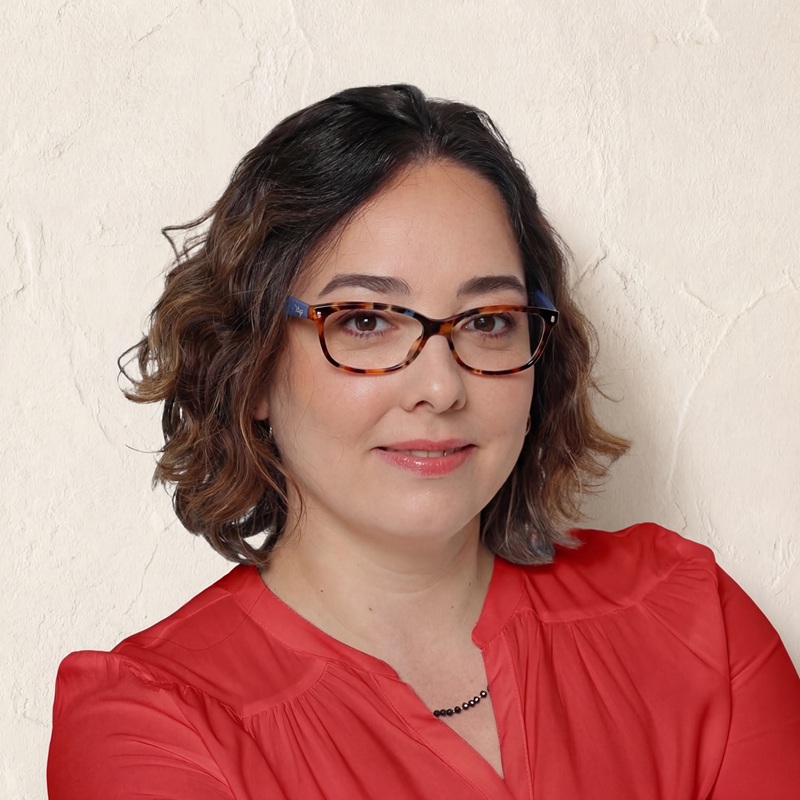
In psychotherapy, I support patients in areas such as difficulties in recognizing and expressing emotions, relationship challenges, emotional problems, communication issues, and other everyday struggles. I accompany patients in exploring the unconscious, gaining a deeper understanding of their choices and behaviors, and building a greater sense of influence over their lives. I am warm and empathetic, and I strive to create a safe space for self-discovery and support through everyday difficulties.
I have experience working with people experiencing depression, with personality disorders, anxiety disorders (including panic attacks and generalized anxiety), going through grief, struggling to recognize, experience and express emotions, going through difficult life situations, having trouble adapting to new life circumstances, experiencing a sense of emptiness, lack of meaning, or life satisfaction, facing difficulties in forming and maintaining relationships.
Please feel free to get in touch if you would like to arrange a consultation.
We are located in two locations in Warsaw: Wiktorska 19/9 and Augustyna Locci 31.
To schedule an appointment, please contact us by phone at 888 33 43 63 or via email at kontakt@centrum-psychoterapii.com
Contact us
The first step may be the hardest
If you are considering starting therapy, please feel free to contact us.
We will be happy to answer your questions and help you choose the right form of support.
Mokotowskie
Centrum Psychoterapii
Oddział Wiktorska
ul. Wiktorska 19 m.9,
02-587 Warszawa
(wejście od prawej strony budynku - narożna klatka)
Oddział Augustyna Locci
ul. Augustyna Locci 31,
02-928 Warszawa